
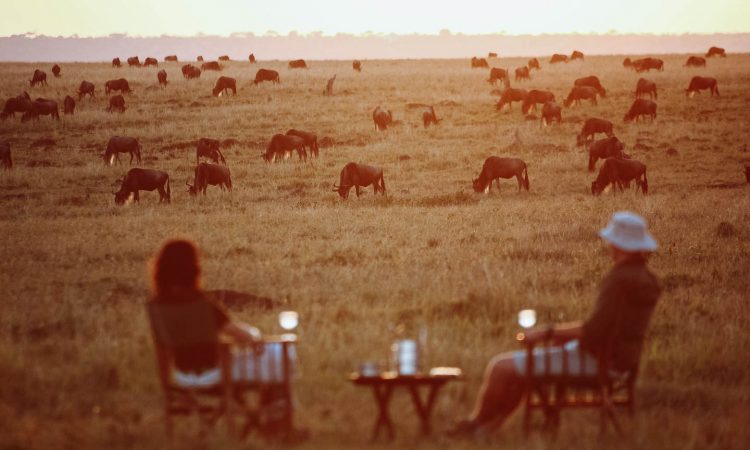
Planning an African safari is exciting, but one of the biggest decisions many travelers face is whether to visit Tanzania or Kenya. Both countries are world-famous for incredible wildlife, breathtaking landscapes, and unforgettable safari experiences.
While they share ecosystems such as the Great Migration, each destination offers a different style of adventure. Tanzania is known for vast wilderness areas, iconic national parks, and remote safari experiences, while Kenya is famous for the Maasai Mara, strong safari infrastructure, and shorter travel distances between some attractions.
This guide compares Tanzania and Kenya across the most important factors—including wildlife, national parks, costs, accommodation, accessibility, and the best time to visit—to help you choose the safari that best matches your travel style and budget.
Related Reading: If you’re still planning your overall budget, read our Tanzania Safari Budget Explained (2026/2027) and Tanzania Safari Cost Guide (2026) for detailed pricing information.
Tanzania vs Kenya at a Glance
| Feature | Tanzania | Kenya |
|---|---|---|
| Famous Park | Serengeti National Park | Maasai Mara National Reserve |
| Great Migration | Larger portion of migration | River crossings during migration season |
| Highest Mountain | Mount Kilimanjaro | Mount Kenya |
| Highest Wildlife Diversity | Excellent | Excellent |
| Beach Extension | Zanzibar | Diani Beach |
| Chimpanzee Trekking | Yes (Mahale & Gombe) | No |
| Safari Crowds | Generally lower | Higher in popular parks |
| Luxury Safari | Outstanding | Outstanding |
| Budget Safari | Good | Good |
| Remote Wilderness | Exceptional | Good |
Wildlife Experience
Both Tanzania and Kenya offer extraordinary wildlife viewing, including the famous Big Five:
- Lion
- Leopard
- Elephant
- Buffalo
- Rhinoceros
However, Tanzania’s protected areas cover a larger land area, allowing wildlife to roam across expansive ecosystems.
Some of Tanzania’s unique wildlife highlights include:
- The Great Wildebeest Migration in Serengeti
- Large elephant populations in Tarangire
- Wild dog sightings in Nyerere National Park
- Chimpanzee trekking in Mahale Mountains and Gombe Stream National Parks
- Diverse birdlife across wetlands, lakes, and savannahs
Kenya is equally rewarding, particularly in the Maasai Mara, Amboseli, Tsavo, Samburu, and Lake Nakuru National Parks.
Winner
Draw—both countries provide exceptional wildlife viewing, although Tanzania offers greater diversity in safari experiences.
National Parks Comparison
Tanzania
Some of Africa’s most iconic protected areas include:
- Serengeti National Park
- Ngorongoro Conservation Area
- Tarangire National Park
- Lake Manyara National Park
- Nyerere National Park
- Ruaha National Park
- Mikumi National Park
- Mahale Mountains National Park
- Gombe Stream National Park
- Katavi National Park
These parks range from world-famous destinations to remote wilderness areas with very few visitors.
Kenya
Kenya’s leading safari destinations include:
- Maasai Mara National Reserve
- Amboseli National Park
- Tsavo East National Park
- Tsavo West National Park
- Samburu National Reserve
- Lake Nakuru National Park
- Aberdare National Park
- Meru National Park
Kenya has excellent park infrastructure and is well suited for first-time safari visitors.
Winner
Tanzania, due to its larger number of diverse ecosystems and vast protected wilderness.
The Great Wildebeest Migration
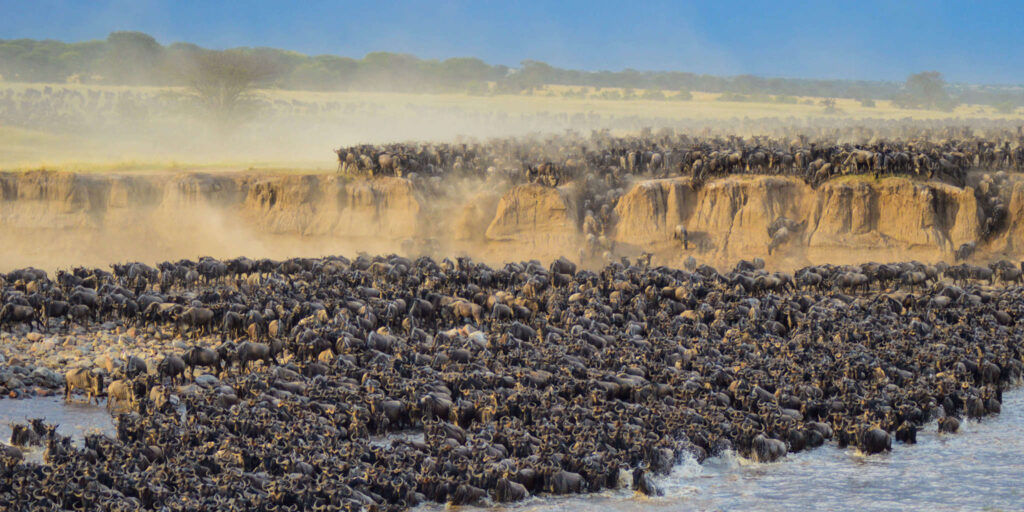
The Great Migration is one of the world’s greatest wildlife spectacles.
Approximately two million wildebeest, zebras, and gazelles move continuously between Tanzania and Kenya in search of fresh grazing.
Tanzania
You can witness:
- Calving season in Ndutu (January–March)
- Central Serengeti wildlife year-round
- Western Corridor migration (May–June)
- Northern Serengeti river crossings (July–October)
Kenya
The Maasai Mara offers spectacular river crossings from approximately July to October, when large herds enter Kenya from the Serengeti.
Winner
Tanzania, as it hosts the migration for most of the year and offers a wider range of viewing opportunities.
Safari Costs
Safari prices in both countries depend on:
- Accommodation
- Season
- Park fees
- Transportation
- Safari duration
Approximate daily costs:
| Safari Style | Tanzania | Kenya |
|---|---|---|
| Budget | US$180–350 | US$180–350 |
| Mid-range | US$350–700 | US$350–700 |
| Luxury | US$800–2,500+ | US$800–2,500+ |
While costs are broadly similar, Tanzania’s premium destinations such as Serengeti and Ngorongoro may be slightly more expensive because of conservation fees.
Crowds and Safari Atmosphere
One of the biggest differences between the two countries is visitor density.
Tanzania
- Larger protected areas
- Lower visitor numbers in many parks
- More remote experiences
- Greater sense of wilderness
Kenya
- Popular parks can become busy during peak season
- Easier access from Nairobi
- More concentrated tourism infrastructure
Travelers seeking solitude often prefer Tanzania.
Beach Extensions
Both countries offer Indian Ocean beaches.
Tanzania
- Zanzibar
- Pemba Island
- Mafia Island
Kenya
- Diani Beach
- Watamu
- Malindi
Zanzibar’s combination of white-sand beaches, spice farms, Stone Town, and luxury resorts makes Tanzania especially attractive for safari-and-beach holidays.