Many travelers searching for a Tanzania safari ask the same question:
“How much money should I actually budget?”
The answer depends on more than the advertised safari price. Besides accommodation and park fees, you’ll also need to consider flights, visas, travel insurance, tips, and optional activities.
This guide explains every major expense so you can confidently plan your Tanzania safari budget for 2026 and 2027. Whether you’re considering a short safari from Zanzibar, a classic Serengeti adventure, or a luxury fly-in safari, you’ll understand where your money goes and how to maximize value.
Related Guide: Before calculating your budget, read our Tanzania Safari Cost Guide (2026/2027) for a complete overview of safari pricing and travel styles.
Excellent. This supporting article should be more detailed than a normal blog and around 3,000–4,000 words, while linking back to your Tanzania Safari Cost Guide (2026). Below is the continuation.
What Determines Your Tanzania Safari Budget?
No two Tanzania safaris cost exactly the same. The total price depends on a combination of factors, including your travel style, the parks you visit, the season, and the level of comfort you choose.
Understanding these factors helps you build a realistic budget and avoid paying for services you don’t need.
The biggest cost factors include:
- Safari duration
- Number of national parks visited
- Accommodation category
- Private or shared safari
- Road safari or fly-in safari
- Time of year
- Number of travelers
- Optional activities
For example, a 3-day Mikumi safari from Dar es Salaam costs significantly less than a 7-day luxury Serengeti and Ngorongoro safari, mainly because of transportation, accommodation, and conservation fees.
Before choosing a safari, decide which experiences are most important. Some travelers prioritize luxury lodges, while others prefer spending more days exploring Tanzania’s incredible wildlife.
Budget Safari vs Mid-Range vs Luxury Safari
Tanzania offers safari experiences for nearly every budget. Choosing the right category helps you balance comfort, wildlife experiences, and overall value.
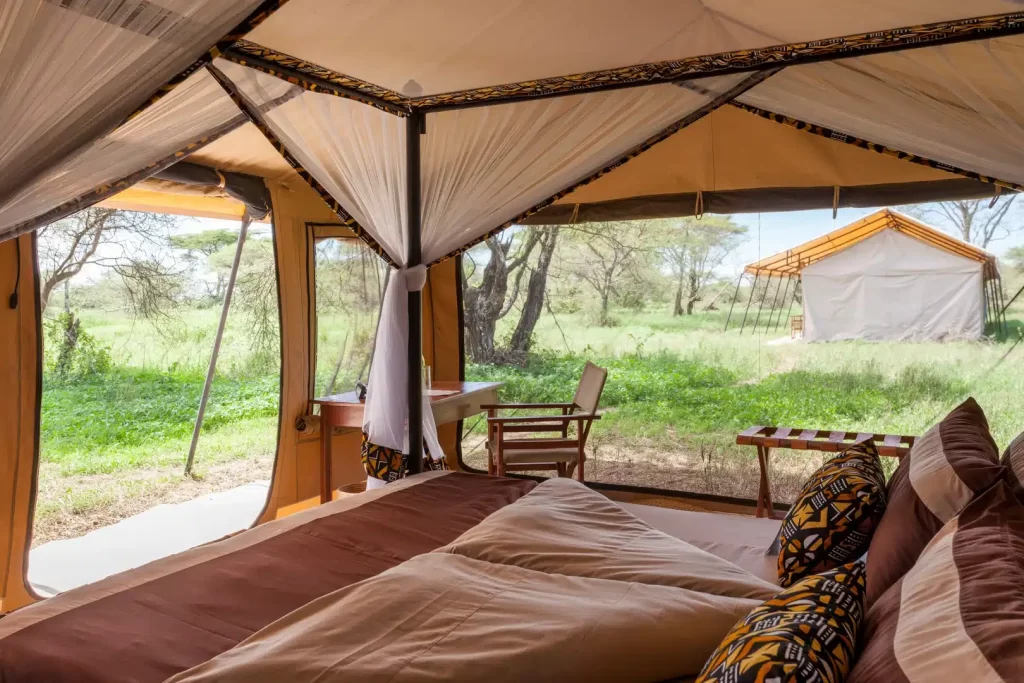
Budget Safari
Budget safaris focus on maximizing wildlife experiences while keeping costs affordable.
Typical features include:
- Comfortable budget lodges or camping
- Shared or private safari vehicles
- Standard meals
- Professional safari guide
- Essential amenities
Best For
- Backpackers
- Students
- Solo travelers
- Budget-conscious couples
Estimated Cost
US$180–350 per person per day
Mid-Range Safari
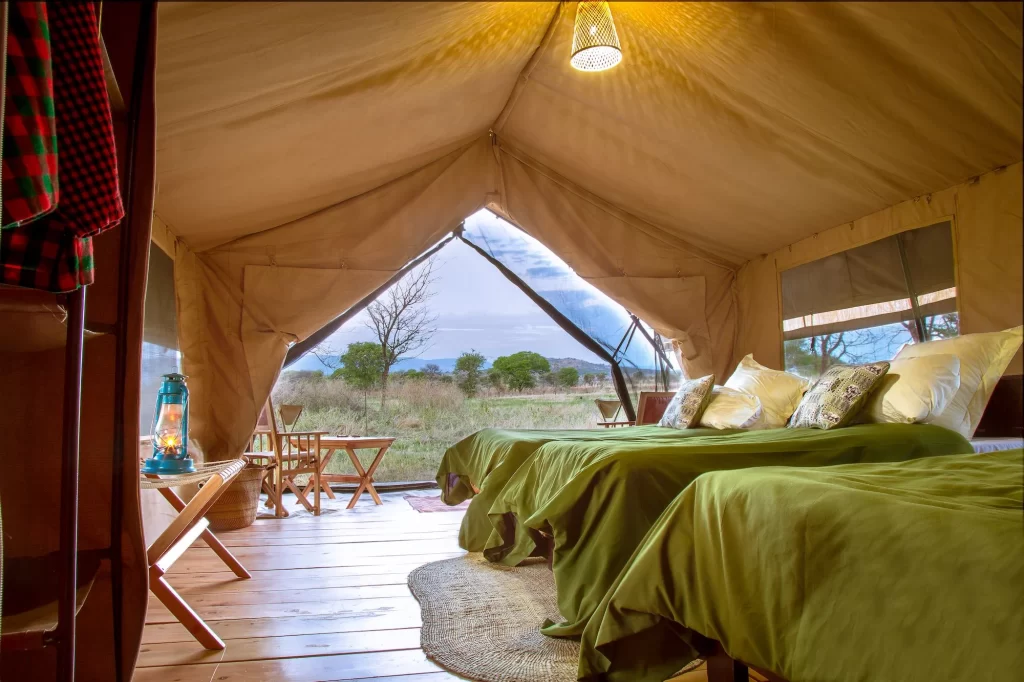
Mid-range safaris are the most popular choice among international visitors because they combine comfort with good value.
Expect:
- Comfortable safari lodges
- Ensuite rooms
- Better dining
- Excellent safari vehicles
- Personalized service
Best For
- Families
- Couples
- First-time safari visitors
- Small groups
Estimated Cost
US$350–700 per person per day
Luxury Safari
Luxury safaris offer exclusive experiences in some of Africa’s finest safari lodges and tented camps.
Luxury packages may include:
- Premium accommodation
- Fly-in transfers
- Gourmet dining
- Private game drives
- Exceptional service
- Exclusive wildlife experiences
Best For
- Honeymooners
- Luxury travelers
- Wildlife photographers
- Special celebrations
Estimated Cost
US$800–2,500+ per person per day
Daily Safari Budget Explained
Your daily safari budget covers much more than accommodation.
A typical safari day includes:
- Park entrance fees
- Safari vehicle
- Professional driver-guide
- Fuel
- Accommodation
- Meals
- Drinking water
- Government taxes
Approximate daily budgets:
| Safari Style | Daily Budget |
|---|---|
| Budget | US$180–350 |
| Mid-range | US$350–700 |
| Luxury | US$800–2,500+ |
Although luxury safaris cost more, they often include premium services such as charter flights, private guides, and exclusive camps that are inaccessible to most visitors.
Park Fees and Conservation Costs
One of the largest components of your safari budget is park entrance fees.
These fees help fund:
- Wildlife conservation
- Anti-poaching programs
- Road maintenance
- Ranger services
- Community conservation projects
Each national park has different entrance fees.
Generally, parks such as:
- Serengeti National Park
- Ngorongoro Conservation Area
have higher conservation fees than:
- Mikumi National Park
- Tarangire National Park
- Nyerere National Park
Although these fees increase the overall safari price, they directly support the protection of Tanzania’s wildlife and natural ecosystems.
Accommodation Budget
Accommodation is usually the second-largest expense after park fees.
Most safari accommodations fall into three categories.
Budget
- Public campsites
- Budget tented camps
- Guesthouses
- Simple safari lodges
Approximate price:
US$40–150 per night
Mid-Range
- Comfortable safari lodges
- Permanent tented camps
- Boutique safari properties
Approximate price:
US$180–450 per night
Luxury
- High-end safari lodges
- Luxury tented camps
- Exclusive private concessions
Approximate price:
US$600–2,000+ per night
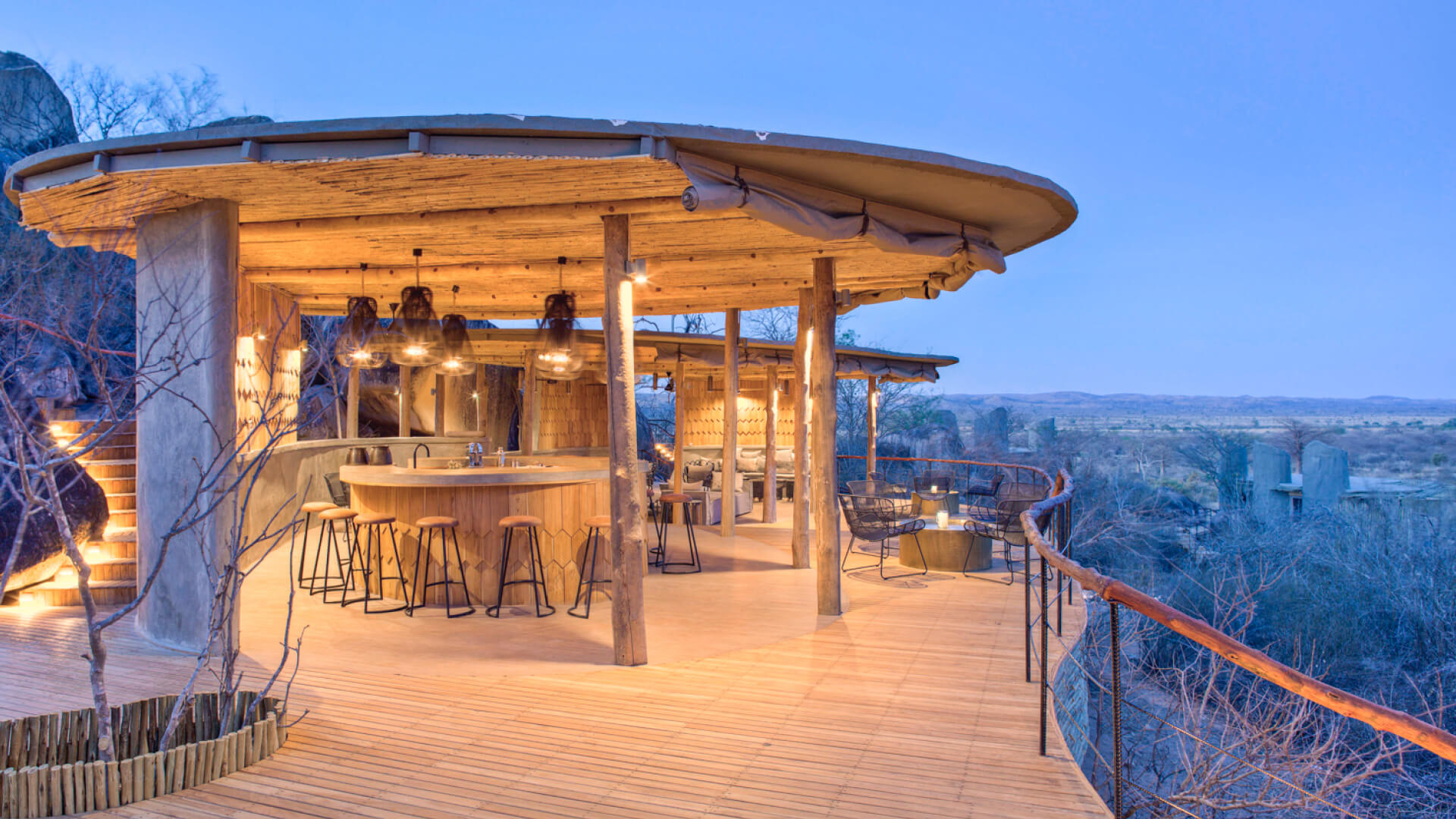
Luxury properties often include premium dining, swimming pools, spa facilities, and exceptional views overlooking wildlife-rich landscapes.
Transportation Costs
Transportation has a major influence on your overall safari budget.
Common options include:
Road Safaris
Most affordable option.
Suitable for:
- Northern Circuit
- Southern Circuit
- Short safaris
Advantages:
- Lower cost
- Scenic drives
- Flexible itineraries
Fly-in Safaris
Ideal for:
- Serengeti
- Ruaha
- Mahale
- Katavi
- Nyerere
Advantages:
- Save travel time
- Access remote parks
- Luxury experience
Higher transportation costs are offset by spending more time enjoying wildlife instead of driving.
Flights and Airport Transfers
International flights are generally booked separately from safari packages.
Domestic flights may be included in fly-in itineraries.
Airport transfers may also be included depending on the package.
Popular arrival airports include:
- Kilimanjaro International Airport
- Julius Nyerere International Airport
- Abeid Amani Karume International Airport
Booking flights early usually provides the best fares, particularly during the peak safari season.
Food and Drinks
Most safari packages include:
✔ Breakfast
✔ Lunch
✔ Dinner
✔ Drinking water during game drives
Additional costs may include:
- Alcoholic beverages
- Premium wines
- Cocktails
- Soft drinks outside meals
- Snacks
- Laundry services
Luxury lodges may include selected beverages, while budget accommodations often charge separately.
Tips and Gratuities
Although tipping is optional, it is a well-established practice within Tanzania’s tourism industry.
Many travelers choose to tip:
- Safari guide
- Camp staff
- Lodge staff
- Porters
Suggested amounts:
- Guide: US$10–25 per person per day
- Lodge staff: US$5–10 per person per day
Tipping rewards excellent service and supports the people who contribute to a memorable safari experience.
Visa and Travel Insurance
Most visitors require a tourist visa before entering Tanzania or can obtain one upon arrival, depending on their nationality.
Travel insurance is highly recommended and should ideally include:
- Emergency medical treatment
- Medical evacuation
- Trip cancellation
- Lost baggage
- Travel delays
For travelers visiting remote parks such as Mahale, Katavi, or Ruaha, comprehensive insurance provides valuable peace of mind.
Optional Safari Activities
Enhance your itinerary with unforgettable experiences.
Popular optional activities include:
- Hot air balloon safaris in Serengeti
- Walking safaris in Nyerere and Ruaha
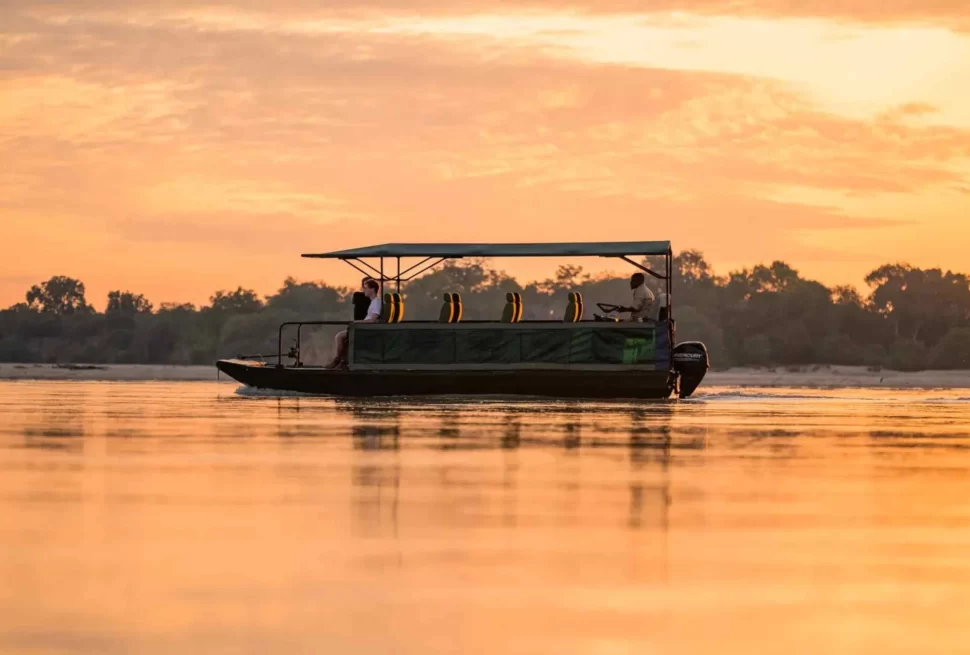
- Boat safaris on the Rufiji River
- Chimpanzee trekking in Mahale and Gombe
- Maasai cultural visits
- Zanzibar spice tours
- Snorkeling and diving in Zanzibar
These activities add unique memories but should be included in your overall budget planning.
Read Our dedicated page for Safari Activities
Sample Budgets
Budget Couple (5 Days)
| Item | Estimated Cost |
|---|---|
| Safari Package | US$2,000 |
| Flights | US$1,400 |
| Visa | US$100 |
| Insurance | US$180 |
| Tips & Extras | US$300 |
| Total | US$3,980 |
Mid-Range Couple (7 Days)
| Item | Estimated Cost |
|---|---|
| Safari Package | US$5,000 |
| Flights | US$1,500 |
| Visa | US$100 |
| Insurance | US$200 |
| Tips & Extras | US$500 |
| Total | US$7,300 |
Luxury Couple (10 Days)
| Item | Estimated Cost |
|---|---|
| Safari Package | US$14,000 |
| Flights | US$2,000 |
| Visa | US$100 |
| Insurance | US$300 |
| Tips & Extras | US$800 |
| Total | US$17,200 |
How to Reduce Your Safari Budget
Saving money doesn’t mean compromising your safari experience.
You can reduce costs by:
- Traveling during the shoulder season.
- Choosing road safaris instead of domestic flights.
- Visiting fewer parks.
- Staying in mid-range lodges.
- Booking early to secure better rates.
- Traveling as a family or small group to share vehicle costs.
- Combining destinations efficiently.
- Booking directly with a reputable local operator.
Careful planning can significantly reduce your expenses while still providing exceptional wildlife encounters.
Common Budgeting Mistakes
Avoid these common mistakes when planning your safari.
- Focusing only on the lowest advertised price.
- Forgetting visa and travel insurance costs.
- Ignoring park fee differences.
- Booking flights too late.
- Underestimating tipping and personal expenses.
- Trying to visit too many parks in a short time.
- Choosing accommodation based only on price instead of location.
- Not comparing what’s included in different safari packages.
A clear understanding of inclusions helps you compare safari quotes more accurately.
Frequently Asked Questions
Is a Tanzania safari worth the money?
Yes. Tanzania offers some of Africa’s most iconic wildlife experiences, including the Great Wildebeest Migration, the Ngorongoro Crater, and remote wilderness areas such as Ruaha, Nyerere, Mahale, and Katavi. Many travelers consider it a once-in-a-lifetime investment.
Can I enjoy a safari on a limited budget?
Absolutely. Destinations such as Mikumi, Tarangire, and Nyerere offer excellent wildlife viewing at a lower overall cost than some of the more famous parks.
What is the biggest expense on a safari?
Accommodation, park entrance fees, and transportation are usually the largest components of a safari budget.
When is the cheapest time to visit Tanzania?
The shoulder seasons—particularly March to May and November—often offer lower accommodation rates and fewer crowds while still providing rewarding wildlife experiences.
Final Thoughts
Planning your Tanzania safari budget is about understanding value rather than simply finding the lowest price. A well-designed itinerary balances wildlife experiences, comfort, travel time, and overall cost to create an unforgettable adventure.
Whether you’re dreaming of a budget-friendly escape to Mikumi, a classic Northern Circuit safari, or a luxury fly-in journey through Serengeti and Zanzibar, careful budgeting allows you to make informed decisions and enjoy your trip with confidence.
At Paka Adventures, we create tailor-made Tanzania safaris to suit every budget, travel style, and interest. Our local expertise ensures transparent pricing, carefully selected accommodations, and memorable wildlife experiences from the moment you arrive.
Ready to plan your safari? Explore our Tanzania safari packages or request a personalized quote, and let us help you design the perfect adventure for your budget and travel goals.