
Overview
Choosing the best time to climb Mount Kilimanjaro is one of the most important decisions when planning a successful trekking adventure. Weather conditions on Kilimanjaro directly affect trail conditions, summit visibility, temperatures, crowd levels, and overall climbing experience.
Although Mount Kilimanjaro can technically be climbed throughout the year, certain months provide much better trekking conditions, clearer skies, and higher summit success rates.
Understanding Kilimanjaro’s climbing seasons helps trekkers choose the best route, prepare proper gear, and increase the chances of reaching Uhuru Peak safely.
Understanding Kilimanjaro Weather
Mount Kilimanjaro has several climate zones ranging from tropical rainforest to arctic summit conditions. Weather changes significantly depending on altitude and season.
Climbers can experience warm sunshine, cold winds, rain, snow, and freezing summit temperatures during the same expedition.
Because of this, selecting the right season is extremely important for comfort and safety.
Best Seasons to Climb Kilimanjaro
January to March – Cooler & Quieter Season
January through March is one of the best times to climb Kilimanjaro, especially for trekkers who prefer quieter trails and cooler temperatures.
During this season:
- Trails are less crowded
- Temperatures are cooler
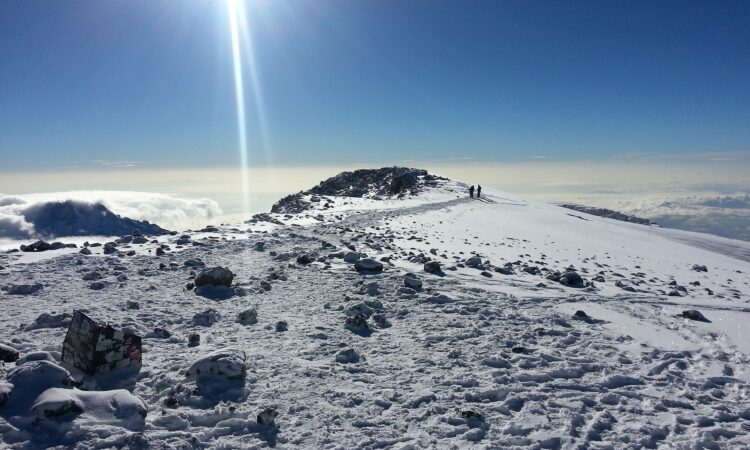
- Summit snow is more common
- Visibility is often very good
This period is popular among experienced trekkers and photographers looking for dramatic summit scenery with fewer climbers on the mountain.
However, temperatures near the summit can become extremely cold during nighttime summit attempts.
June to October – Main Dry Season
June to October is the most popular climbing season on Kilimanjaro.
This period offers:
- Dry and stable weather
- Clear mountain views
- Better trail conditions
- Higher overall summit success rates
The dry season is considered ideal for first-time climbers because weather conditions are generally more predictable.
Routes such as Machame, Lemosho, and Northern Circuit become busy during these months due to excellent trekking conditions.
July, August, and September are especially popular for international travelers.
Rainy Seasons on Kilimanjaro
April to May – Long Rain Season
April and May are the wettest months on Kilimanjaro.
During this period:
- Trails become muddy and slippery
- Visibility may be poor
- Rainforest sections receive heavy rainfall
- Camping conditions become more difficult
Some trekking operators reduce departures during these months due to challenging weather conditions.
However, routes like Rongai remain relatively drier because they approach Kilimanjaro from the northern side.
November – Short Rain Season
November brings shorter rainfall periods compared to April and May.
Conditions can vary:
- Some days remain clear
- Rain usually falls in short bursts
- Fewer climbers are on the mountain
- Prices may become lower during this season
Trekkers willing to accept variable weather may still enjoy successful climbs in November.
Best Time for Summit Success
The highest summit success rates generally occur during:
- January to March
- June to October
These months provide better trail conditions, more stable weather, and improved acclimatization opportunities.
Longer routes such as:
- Lemosho Route
- Northern Circuit Route
- Machame Route
perform especially well during dry seasons.
Best Time for Different Types of Climbers
Best Time for Beginners
June to October is usually best for first-time climbers because of dry weather and safer trekking conditions.
Best Time for Photography
January to March offers beautiful snow-covered summit scenery and dramatic cloud formations.
Best Time for Quiet Trails
March, early June, and November often have fewer climbers on Kilimanjaro.
Best Time for Budget Climbs
Rainy seasons may offer lower prices and reduced crowd levels, though trekking conditions become more difficult.
Kilimanjaro Temperatures by Altitude
Temperatures change significantly depending on elevation.
Rainforest Zone
Warm and humid conditions.
Moorland Zone
Cooler temperatures with changing weather.
Alpine Desert
Cold nights and dry conditions.
Arctic Summit Zone
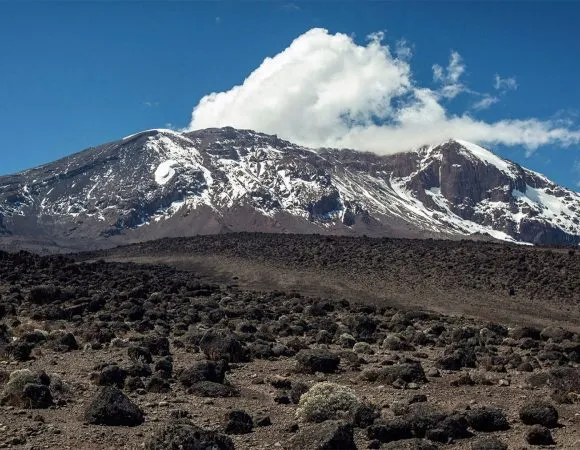
Freezing temperatures with snow, ice, and strong winds near Uhuru Peak.
Summit night temperatures can drop well below freezing regardless of season.
Read our guide about Altitude sikness
How Weather Affects Kilimanjaro Routes
Different Kilimanjaro routes perform differently depending on season.
Best Dry Season Routes
- Machame Route
- Lemosho Route
- Northern Circuit
Best Rainy Season Route
- Rongai Route
The Rongai Route receives less rainfall because it approaches from Kilimanjaro’s northern side.
Tips for Choosing the Best Climbing Season
When selecting your Kilimanjaro climbing dates, consider:
- Your fitness level
- Crowds vs quiet trails
- Weather preferences
- Budget
- Photography goals
- Route selection
- Acclimatization time
Longer routes usually provide better success rates regardless of season.
Ready our Guide about Kilimanjaro climbing route
Final Thoughts
The best time to climb Mount Kilimanjaro depends on your trekking goals, route preference, and weather expectations.
For most trekkers, January to March and June to October offer the safest and most enjoyable climbing conditions. Choosing the right season can significantly improve summit success, comfort, and overall mountain experience.
With proper preparation, experienced guides, and the right route selection, climbing Kilimanjaro becomes one of the most rewarding adventures in Africa.
[…] Ready Our Guide About When is The Bset Time To Visit Tanzania […]