
Overview
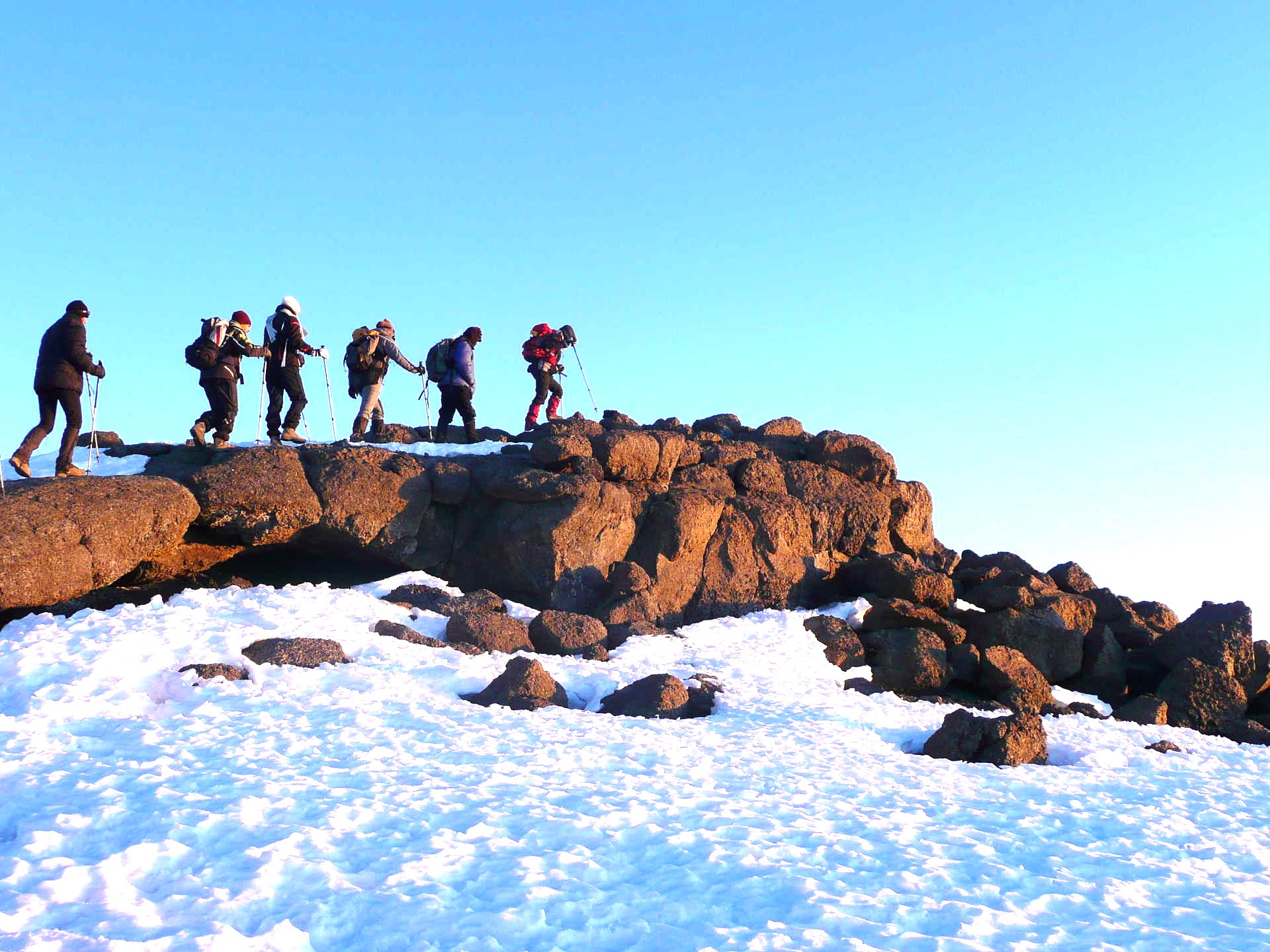
Packing properly for Mount Kilimanjaro is one of the most important parts of preparing for a successful climb. Temperatures on Kilimanjaro vary dramatically depending on altitude, and climbers experience everything from tropical rainforest heat to freezing summit conditions.
Having the right mountain gear improves comfort, safety, acclimatization, and overall summit success. Poor equipment choices can lead to cold injuries, exhaustion, wet clothing, and difficulty reaching Uhuru Peak.
This Kilimanjaro packing guide explains the essential gear every climber should bring for a safe and comfortable trekking experience.
Understanding Kilimanjaro Conditions
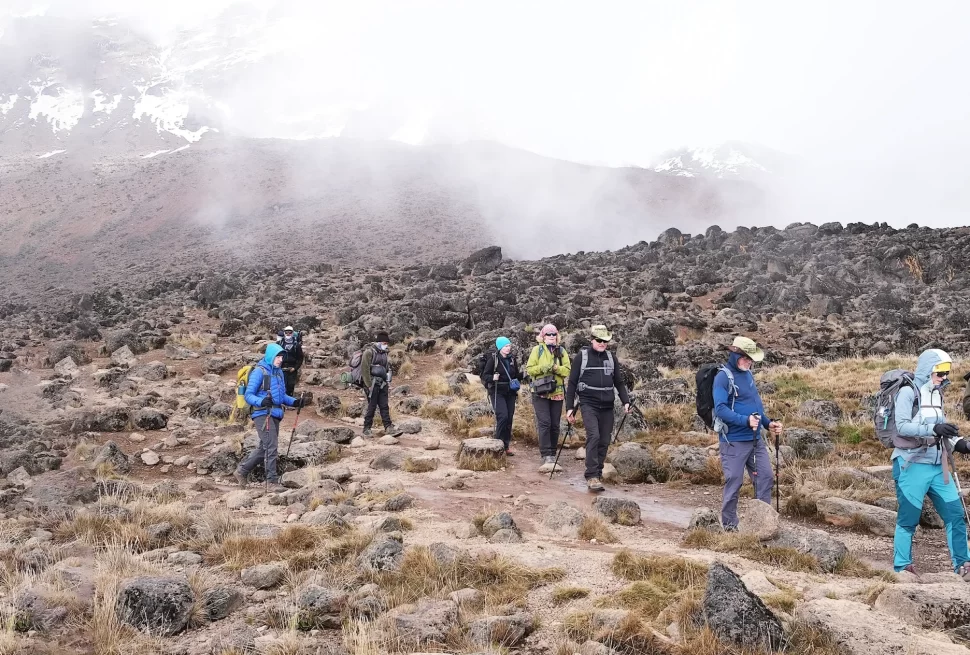
Climbing Kilimanjaro means trekking through multiple ecological zones:
- Rainforest Zone
- Moorland Zone
- Alpine Desert
- Arctic Summit Zone
Temperatures can range from warm tropical conditions at lower elevations to freezing temperatures above 5,000 meters.
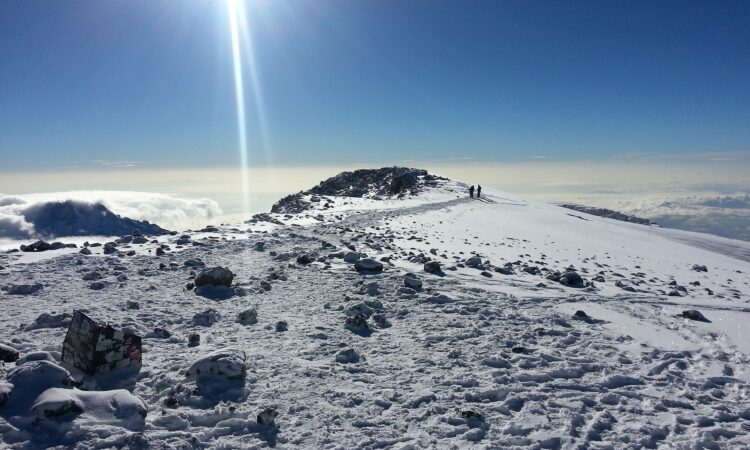
Summit night is especially cold, windy, and physically demanding, making proper clothing and equipment extremely important.
Essential Clothing for Kilimanjaro
Base Layers
Base layers help regulate body temperature and keep moisture away from the skin.
Recommended:
- Thermal tops
- Thermal leggings
- Moisture-wicking shirts
Avoid cotton because it absorbs sweat and dries slowly.
Insulating Layers
Warm insulation is necessary for cold evenings and summit night.
Recommended:
- Fleece jacket
- Insulated mid-layer
- Down jacket
A high-quality down jacket is one of the most important items for summit comfort.
Waterproof Outer Layers
Weather on Kilimanjaro changes quickly.
Bring:
- Waterproof rain jacket
- Waterproof rain pants
- Windproof shell layers
These protect against rain, snow, and strong summit winds.
Best Hiking Boots for Kilimanjaro
Proper footwear is critical during the climb.
Choose:
- Waterproof hiking boots
- Ankle-support trekking boots
- Well-broken-in footwear
Never use brand-new boots on Kilimanjaro.
Good hiking socks also help prevent blisters and improve comfort during long trekking days.
Essential Summit Night Gear
Summit night is the coldest and hardest part of the climb.
Important items include:
- Headlamp with extra batteries
- Heavy gloves or mittens
- Warm hat or balaclava
- Thermal socks
- Insulated jacket
- Trekking poles
Temperatures near Uhuru Peak can fall well below freezing.
Sleeping Gear
Most Kilimanjaro routes are camping routes, so proper sleeping equipment is essential.
Recommended:
- Four-season sleeping bag
- Sleeping bag liner
- Inflatable pillow (optional)
- Sleeping mat
A sleeping bag rated for sub-zero temperatures is strongly recommended.
Daypack Essentials
A small daypack is used during daily trekking.
Important items:
- Water bottles or hydration bladder
- Snacks and energy bars
- Sunscreen
- Sunglasses
- Camera or phone
- Rain jacket
- Personal medication
Porters carry most duffel bags, but climbers carry daily essentials themselves.
Trekking Poles
Trekking poles are highly recommended for Kilimanjaro climbs.
Benefits include:
- Reduced knee strain
- Better balance on steep trails
- Improved stability during descent
- Extra support during summit night
Many climbers find trekking poles extremely helpful on long descents.
Personal Health & Hygiene Items
Essential personal items include:
- Toothbrush and toothpaste
- Wet wipes
- Hand sanitizer
- Lip balm
- Toilet paper
- Personal medications
Dry air and strong sun exposure often cause cracked lips and dry skin at high altitude.
Electronics & Power
Cold temperatures drain batteries quickly on Kilimanjaro.
Bring:
- Power bank
- Extra batteries
- Universal adapter
- Camera protection bags
Many camps have no electricity access.
Snacks & Hydration
High-energy snacks help maintain strength during long trekking days.
Recommended:
- Energy bars
- Nuts
- Chocolate
- Electrolyte powders
- Dried fruits
Hydration is extremely important for acclimatization and altitude management.
Gear You Can Rent in Tanzania
Many trekking companies offer rental gear for climbers who do not want to purchase expensive equipment.
Common rental items:
- Sleeping bags
- Trekking poles
- Down jackets
- Gaiters
- Waterproof clothing
However, personal clothing and hiking boots should ideally fit properly before arriving in Tanzania.
Common Packing Mistakes
Many trekkers make avoidable packing mistakes such as:
- Bringing cotton clothing
- Underestimating summit cold
- Using new hiking boots
- Overpacking unnecessary items
- Carrying heavy daypacks
Packing efficiently improves comfort and trekking performance.
Kilimanjaro Packing Tips
Layer Your Clothing
Layering allows climbers to adjust quickly to changing temperatures.
Keep Gear Dry
Use waterproof bags or dry sacks to protect clothing and electronics from rain.
Test Equipment Before Travel
Always test boots, jackets, and backpacks before arriving in Tanzania.
Final Thoughts
Packing correctly for Mount Kilimanjaro can significantly improve comfort, safety, and summit success. Proper mountain gear helps climbers handle changing weather, cold temperatures, altitude conditions, and long trekking days.
With the right preparation and equipment, climbing Kilimanjaro becomes a far safer and more enjoyable adventure.
[…] For a complete packing guide, read our Tanzania Safari Checklist (2026/2027). […]