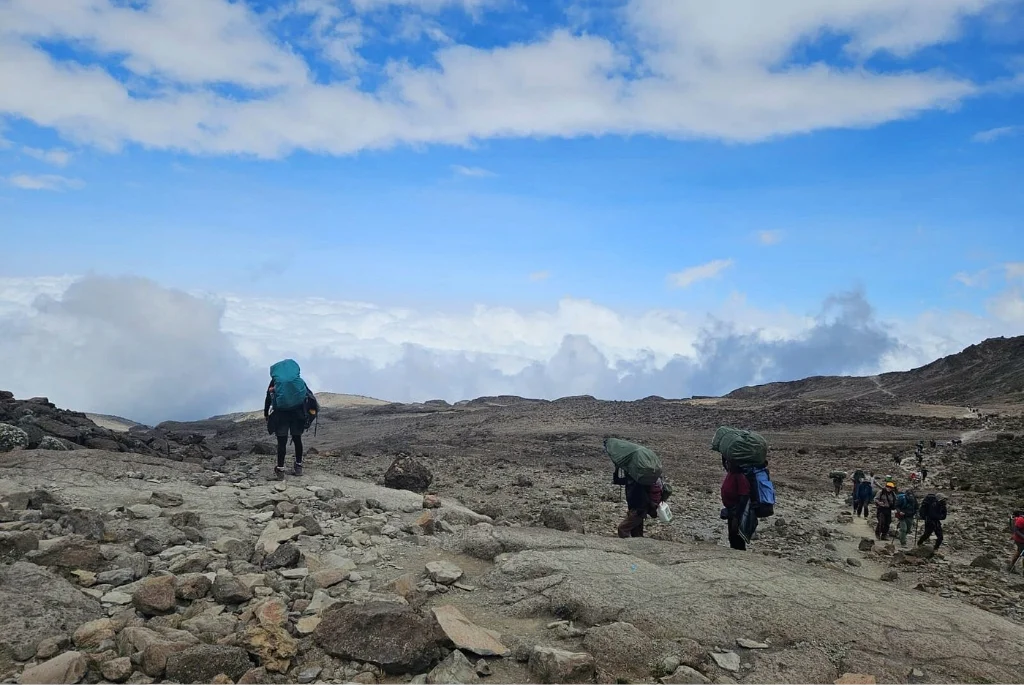
Overview
Preparing properly for Mount Kilimanjaro can significantly improve your summit success, physical comfort, and overall trekking experience. Although Kilimanjaro is a non-technical mountain, climbing to Uhuru Peak requires endurance, mental strength, and the ability to handle high altitude conditions.
Many climbers underestimate the physical demands of the trek, especially summit night. A good training plan helps the body adapt to long trekking days, steep terrain, and reduced oxygen levels at high elevation.
Whether you are an experienced hiker or a beginner, training before your Kilimanjaro expedition is extremely important.
How Fit Do You Need to Be for Kilimanjaro?
You do not need to be a professional athlete to climb Kilimanjaro, but good physical fitness greatly improves your experience on the mountain.
Climbers should be able to:
- Walk for several hours daily
- Handle uphill trekking
- Recover overnight for multiple days
- Carry a light daypack
- Trek at high altitude conditions
Physical fitness helps reduce fatigue and improves recovery during the climb.
Read our guide blog about Altitude sickness
Why Training for Kilimanjaro Matters
Training before climbing Kilimanjaro helps:
- Improve endurance
- Strengthen leg muscles
- Increase cardiovascular fitness
- Prepare the body for altitude trekking
- Reduce injury risk
- Improve summit success rates
Trekkers who train properly usually enjoy the climb more and recover faster after long trekking days.
How Long Should You Train Before Kilimanjaro?
Most climbers should begin training at least:
6 to 12 weeks before the climb
Longer preparation is beneficial for beginners or travelers with limited hiking experience.
Consistency is more important than extreme workouts.
Best Exercises for Kilimanjaro Training
Hiking Practice
The best preparation for Kilimanjaro is hiking regularly.
Focus on:
- Long walks
- Hills and inclines
- Uneven terrain
- Multi-hour hikes
Training hikes with a backpack help simulate real trekking conditions.
Cardiovascular Training
Cardio exercises improve endurance and oxygen efficiency.
Recommended activities:
- Running
- Cycling
- Swimming
- Stair climbing
- Rowing
- Fast walking
Aim for regular cardio sessions several times per week.
Strength Training
Strong leg and core muscles improve trekking stability and reduce fatigue.
Important exercises include:
- Squats
- Lunges
- Step-ups
- Deadlifts
- Planks
- Core workouts
Leg strength becomes especially important during descents.
Stair Climbing
Stair climbing is one of the best ways to simulate uphill trekking.
This helps prepare for:
- Continuous elevation gain
- Summit night effort
- Leg endurance
Many climbers use stadium stairs or stair machines during training.
Train with a Backpack
During Kilimanjaro climbs, trekkers carry a daypack with:
- Water
- Snacks
- Rain gear
- Personal items
Training hikes with a loaded backpack help the body adapt to trekking conditions.
Altitude Training for Kilimanjaro
Most climbers do not have access to high-altitude environments before travel.
However, you can still prepare by:
- Improving cardio fitness
- Practicing endurance hiking
- Training consistently
- Choosing longer Kilimanjaro routes
Longer routes such as:
- Lemosho Route
- Northern Circuit Route
- Machame Route
provide better acclimatization during the actual climb.
Mental Preparation for Kilimanjaro
Kilimanjaro is as much a mental challenge as a physical one.
Climbers must handle:
- Fatigue
- Cold weather
- Early wake-up times
- Long trekking days
- Summit night discomfort
Mental determination becomes extremely important during difficult stages of the climb.
Positive mindset and patience greatly improve the experience.
Training Mistakes to Avoid
Starting Too Late
Waiting until the last few weeks before the climb limits physical preparation.
Ignoring Hiking Practice
Gym workouts alone do not fully prepare trekkers for mountain conditions.
Overtraining
Too much intense training without recovery may cause injury or exhaustion before travel.
Neglecting Recovery
Rest days are important for muscle recovery and overall performance.
Nutrition During Training
Healthy nutrition supports endurance and recovery.
Focus on:
- Balanced meals
- Protein intake
- Hydration
- Complex carbohydrates
- Fruits and vegetables
Good nutrition habits before the climb improve energy levels on the mountain.
Training for Summit Night
Summit night is the hardest part of climbing Kilimanjaro.
Trekkers face:
- Steep uphill climbing
- Freezing temperatures
- Low oxygen levels
- Fatigue and sleep deprivation
Long hikes, endurance cardio, and mental preparation help climbers handle summit night more effectively.
Best Kilimanjaro Routes for Beginners
For first-time climbers, routes with better acclimatization are strongly recommended.
Best beginner-friendly routes include:
- Lemosho Route
- Machame Route
- Northern Circuit Route
These routes improve summit success by allowing more gradual altitude adjustment.
Final Thoughts
Training properly for Mount Kilimanjaro improves physical performance, confidence, acclimatization, and summit success. While Kilimanjaro is achievable for many beginners, preparation plays a major role in how comfortable and enjoyable the experience becomes.
With consistent training, proper gear, good acclimatization, and experienced mountain guides, reaching Uhuru Peak becomes a realistic and unforgettable adventure.