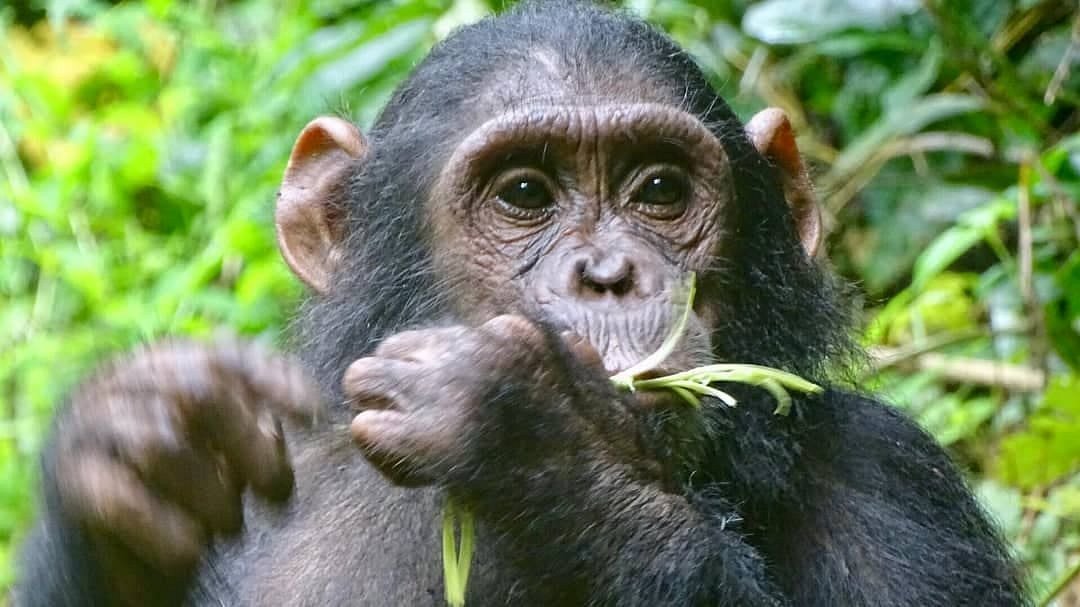
Chimpanzee trekking in Tanzania is one of Africa’s most extraordinary wildlife experiences. While Tanzania is globally known for the Serengeti, the Great Migration, and the Ngorongoro Crater, the country’s western wilderness offers a completely different adventure. Instead of searching for lions and elephants from a safari vehicle, you’ll hike through lush tropical rainforest with experienced trackers, listening for distant calls and searching for one of our closest living relatives—the wild chimpanzee.
With approximately 98% shared DNA with humans, chimpanzees display remarkable intelligence, emotions, communication, and social behavior. Watching them groom one another, care for their young, or move effortlessly through the forest canopy creates an unforgettable connection with nature.
Unlike traditional safari destinations, chimpanzee trekking takes place in remote protected forests that receive only a fraction of the visitors seen in northern Tanzania. This means fewer crowds, pristine landscapes, and a truly exclusive wildlife experience.
Whether you’re planning a dedicated chimpanzee safari or combining it with a classic Tanzania safari or Zanzibar beach holiday, this guide covers everything you need to know before booking.
Why Choose Tanzania for Chimpanzee Trekking?
Many travelers associate primate trekking with Uganda or Rwanda because of mountain gorillas. However, Tanzania has earned an international reputation as one of Africa’s finest destinations for observing wild chimpanzees in their natural habitat.
Several factors make Tanzania unique.
Observe Wild Chimpanzees in Their Natural Environment
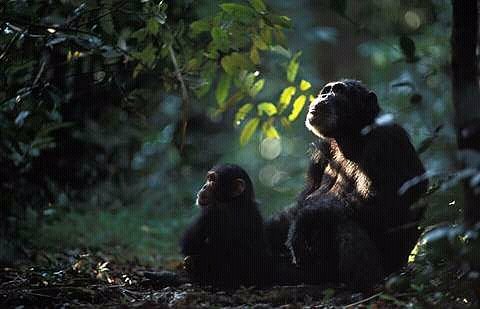
The chimpanzees living in western Tanzania remain completely wild while being habituated to the presence of researchers and carefully managed tourism. This allows visitors to observe their natural behavior without interfering with their daily lives.
During your trek, you may witness chimpanzees:
- Grooming family members
- Building nests
- Feeding on fruits and leaves
- Playing with young offspring
- Communicating through calls and gestures
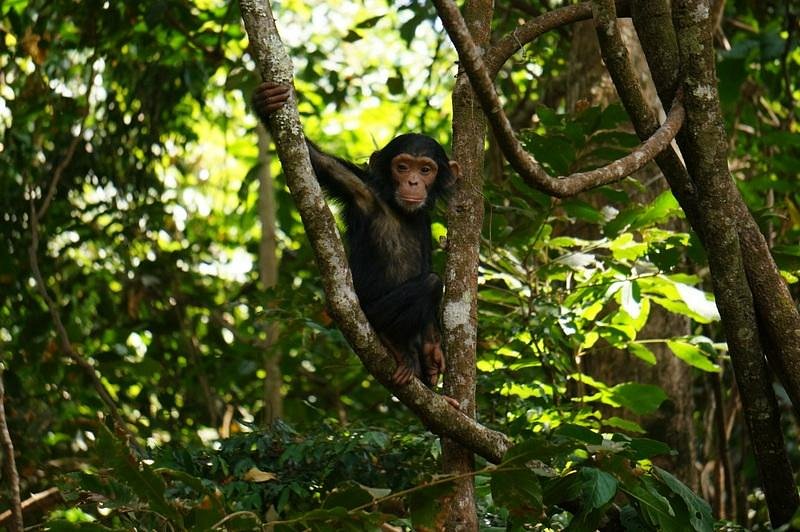
- Climbing enormous rainforest trees
- Resting together within their social groups
Every trek is different because the chimpanzees roam freely through protected forests.
Explore One of Tanzania’s Least-Visited Regions
Western Tanzania remains one of East Africa’s best-kept safari secrets.
Unlike the busy safari circuits of the Serengeti or Ngorongoro, destinations such as Mahale Mountains National Park and Gombe Stream National Park receive relatively few visitors throughout the year.
The result is a far more intimate wildlife experience where you can spend hours surrounded by untouched rainforest with only your guide and fellow trekkers.
This remoteness is one of the main reasons experienced safari travelers consider chimpanzee trekking a once-in-a-lifetime adventure.
Incredible Scenery Beyond Wildlife
Chimpanzee trekking isn’t only about primates.
Western Tanzania combines:
- Ancient tropical rainforest
- Crystal-clear Lake Tanganyika
- White sandy beaches
- Mountain landscapes
- Remote wilderness
- Exceptional birdlife
- Butterflies and unique forest plants
Few safari destinations in Africa combine rainforest, mountains, freshwater beaches, and wildlife in one location.
A Completely Different Safari Experience
Traditional safaris focus on vehicle-based game drives across open savannah.
Chimpanzee trekking is far more active.
Instead of driving across plains, you’ll walk through dense rainforest, follow fresh tracks, listen for chimpanzee calls, and search beneath towering indigenous trees.
This creates a more immersive wildlife experience that many travelers describe as one of the most rewarding adventures in Africa.
Where Can You Go Chimpanzee Trekking in Tanzania?
Tanzania has two internationally recognized chimpanzee trekking destinations:
- Mahale Mountains National Park
- Gombe Stream National Park
Both are located along the eastern shores of Lake Tanganyika in western Tanzania, one of the deepest freshwater lakes in the world.
Although both parks protect wild chimpanzees, they offer very different safari experiences.
Mahale Mountains National Park
Located on the shores of Lake Tanganyika, Mahale Mountains National Park is widely regarded as Tanzania’s premier chimpanzee trekking destination.
The park covers more than 1,600 square kilometers of rainforest, mountain ranges, rivers, and lakeshore, creating one of Africa’s most spectacular protected landscapes.
Mahale is home to several chimpanzee communities, including the famous Mimikire group, which has been studied by researchers for decades.
One of Mahale’s greatest attractions is its exclusivity.
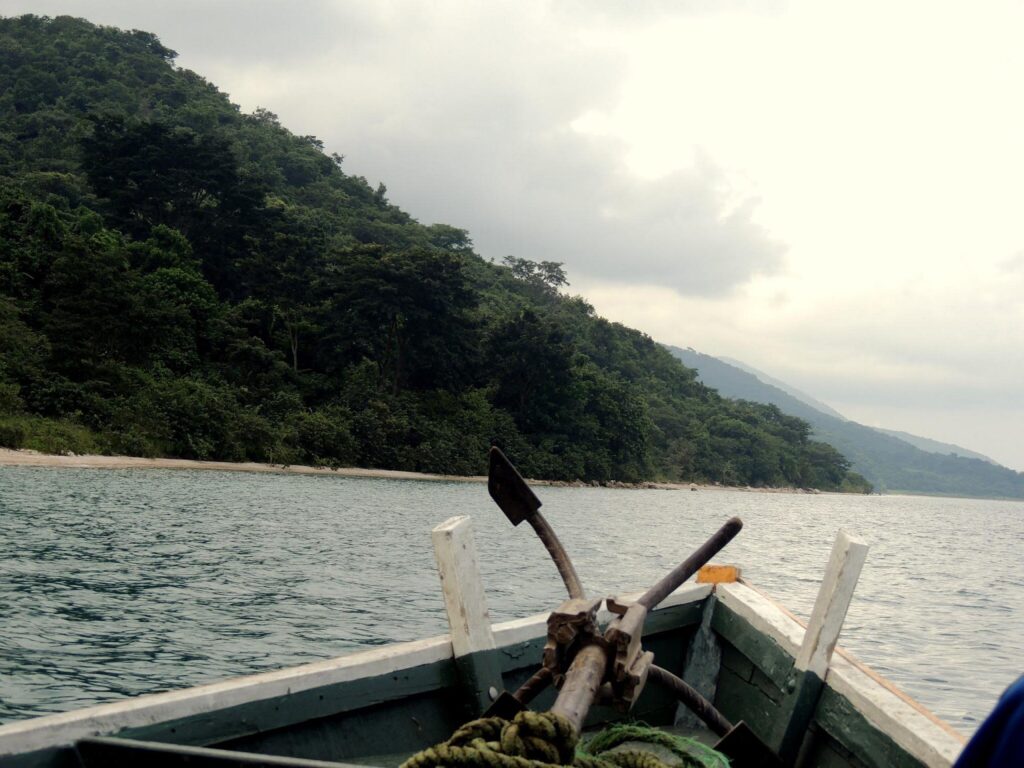
There are no public roads inside the park, and visitors typically arrive by light aircraft followed by a scenic boat transfer across Lake Tanganyika. This remote location preserves the park’s pristine wilderness and provides an exceptional safari experience.
Why Visit Mahale?
- Largest protected chimpanzee habitat in Tanzania
- Remote wilderness with very few visitors
- Excellent chimpanzee sightings
- Beautiful rainforest scenery
- Luxury safari lodges
- Lake Tanganyika beaches
- Outstanding photography opportunities
Learn more about the destination on our Mahale Mountains National Park page:
Gombe Stream National Park
Although much smaller than Mahale, Gombe Stream National Park is one of the world’s most famous chimpanzee destinations.
The park became internationally recognized through the pioneering chimpanzee research conducted by Jane Goodall, whose long-term studies transformed our understanding of chimpanzee behavior.
Today, visitors can trek through the same forests where decades of scientific discoveries took place.
Gombe offers excellent chimpanzee encounters within a compact rainforest environment, making it a fascinating destination for travelers interested in wildlife, conservation, and primate behavior.
Why Visit Gombe?
- Historic chimpanzee research location
- Excellent trekking opportunities
- Easier forest trail network
- Beautiful Lake Tanganyika scenery
- Rich conservation history
- Perfect for wildlife enthusiasts
Learn more on our Gombe Stream National Park guide:
Mahale vs Gombe: Which Is Better?
This is one of the most common questions travelers ask.
The answer depends on the type of safari experience you’re looking for.
| Feature | Mahale Mountains | Gombe Stream |
|---|---|---|
| Size | Larger | Smaller |
| Wilderness | Very Remote | Remote |
| Luxury Lodges | Excellent | Limited |
| Chimpanzee Trekking | Outstanding | Excellent |
| Lake Tanganyika Beaches | Yes | Limited |
| Research History | Strong | World Famous |
| Visitor Numbers | Very Low | Low |
| Best For | Luxury & Exclusive Safaris | History & Conservation |
If your priority is luxury, exclusivity, and breathtaking scenery, Mahale Mountains is often the preferred choice.
If you’re passionate about conservation, wildlife research, and the legacy of Jane Goodall, Gombe Stream offers an equally rewarding experience.
Many visitors choose to combine both parks for the ultimate western Tanzania adventure.
Why Book a Chimpanzee Safari with Paka Adventures?
Chimpanzee trekking requires careful planning because western Tanzania is remote and travel logistics differ significantly from traditional safaris.
Our safari specialists arrange:
- Domestic flights
- Lake Tanganyika boat transfers
- Chimpanzee trekking permits
- Professional safari guides
- Carefully selected accommodation
- Private tailor-made itineraries
- Extensions to Serengeti, Katavi, Ruaha, Nyerere, or Zanzibar
Whether you’re planning a three-day chimpanzee trekking adventure or a two-week Tanzania safari, we ensure every detail is professionally organized from arrival to departure.
Explore our dedicated Gombe & Mahale Chimpanzee Safari page to discover available itineraries, accommodation options, and pricing.
Best Time for Chimpanzee Trekking in Tanzania
One of the most common questions travelers ask is, “When is the best time to go chimpanzee trekking in Tanzania?” The good news is that chimpanzee trekking is available throughout the year in both Mahale Mountains National Park and Gombe Stream National Park. However, weather conditions, forest trails, photography opportunities, and chimpanzee movements vary from season to season.
Unlike the Serengeti, where wildlife migrations largely determine travel dates, chimpanzees remain within their home ranges year-round. This means sightings are possible in every month, although trekking conditions may differ.
If you’re planning a safari, understanding Tanzania’s seasons will help you choose the experience that best matches your travel preferences.
Chimpanzee Trekking Seasons at a Glance
| Season | Months | Trekking Conditions | Photography | Chimpanzee Visibility | Lake Tanganyika | Visitor Numbers |
|---|---|---|---|---|---|---|
| Dry Season | June – October | Excellent | Excellent | Excellent | Calm | High |
| Short Rains | November – December | Good | Very Good | Very Good | Good | Moderate |
| Dry Interval | January – February | Excellent | Excellent | Excellent | Excellent | Moderate |
| Green Season | March – May | Moderate | Outstanding Landscapes | Good | Variable | Low |
Overall, June to October is considered the best period for most travelers because the trails are drier and easier to hike. However, the quieter months also offer unique advantages for visitors who enjoy lush scenery and fewer tourists.
Dry Season (June to October)
The long dry season is widely regarded as the best time to visit Mahale Mountains and Gombe Stream National Park.
During these months:
- Forest trails are generally dry and easier to walk.
- Humidity is lower.
- Rainfall is limited.
- Visibility in the forest improves.
- Wildlife photography becomes easier.
- Lake Tanganyika is often calm, making boat transfers more comfortable.
Chimpanzees remain active throughout the day, and experienced trackers are highly successful at locating habituated groups.
Advantages
- Comfortable trekking conditions
- Excellent wildlife photography
- Reliable domestic flight schedules
- Beautiful lake scenery
- Pleasant daytime temperatures
Things to Consider
Because this is the most popular travel season, premium lodges such as Greystoke Mahale often book many months in advance. Early reservations are highly recommended.
Short Rains (November to December)
The short rainy season transforms western Tanzania into a vibrant green paradise.
Although brief afternoon showers are common, they rarely prevent chimpanzee trekking activities.
The forest becomes:
- Greener
- More colorful
- Rich with butterflies
- Excellent for birdwatching
- Beautiful for landscape photography
Visitor numbers are generally lower than during the peak dry season, making this a good option for travelers seeking quieter experiences.
January to February
These months provide another excellent opportunity for chimpanzee trekking.
Rainfall is usually limited, temperatures remain warm, and trekking conditions are generally favorable.
This period offers:
- Good chimpanzee sightings
- Pleasant trekking weather
- Comfortable boat transfers
- Fewer visitors than July and August
For many experienced safari travelers, January and February provide an excellent balance between weather and crowd levels.
Green Season (March to May)
March through May marks the long rainy season in western Tanzania.
Although this period receives more rainfall, chimpanzee trekking continues throughout the season.
The rainforest becomes exceptionally beautiful, with:
- Dense green vegetation
- Waterfalls flowing at full strength
- Exceptional birdlife
- Dramatic photography opportunities
- Fresh mountain scenery
Trails may become muddy and trekking can be more physically demanding, but many photographers consider this one of the most rewarding times to visit.
The reduced number of visitors also creates a more private safari experience.
Monthly Guide to Chimpanzee Trekking
January
Excellent weather and good trekking conditions.
Ideal for travelers looking to avoid peak-season crowds.
February
Warm temperatures continue with excellent opportunities for chimpanzee sightings.
A popular month for photographers.
March
Beginning of the long rains.
Forest vegetation becomes increasingly lush.
April
Heavy rains create spectacular rainforest scenery.
Best suited for adventurous travelers who don’t mind muddy trails.
May
Rain begins to ease toward the end of the month.
Excellent birdwatching and peaceful trekking conditions.
June
One of the best months for chimpanzee trekking.
Dry weather returns and trail conditions improve significantly.
July
Peak safari season.
Cool mornings, comfortable hiking temperatures, and excellent wildlife viewing.
August
Outstanding trekking conditions with high chimpanzee sighting success.
One of the busiest travel months.
September
Excellent weather continues.
Ideal for combining chimpanzee trekking with classic northern or southern Tanzania safaris.
October
Warm temperatures and excellent visibility.
A fantastic month for photography.
November
Short rains refresh the forest.
Beautiful scenery and moderate visitor numbers.
December
A wonderful festive-season destination with green landscapes and rewarding wildlife encounters.
What Happens During a Chimpanzee Trek?
Chimpanzee trekking begins early in the morning after a briefing from your guide and park ranger.
Your guides monitor chimpanzee movements daily and communicate with trackers already inside the forest.
Once fresh signs are located, your trek begins.
Depending on where the chimpanzees are found, hiking time may range from less than one hour to several hours.
Along the way, you’ll experience:
- Tropical rainforest trails
- Towering indigenous trees
- Colorful butterflies
- Forest birds
- Monkeys
- Unique plant species
- Spectacular mountain scenery
The anticipation builds as distant chimpanzee calls echo through the forest.
When your guide finally locates the group, you’ll spend approximately one unforgettable hour observing their natural behavior.
You may watch them:
- Groom family members
- Feed on fruit
- Play with young chimpanzees
- Climb enormous trees
- Build nests
- Communicate through vocalizations
- Rest together peacefully
Every encounter is different because the chimpanzees remain completely wild.
Chimpanzee Trekking Rules
Chimpanzee conservation is the highest priority in both Mahale Mountains and Gombe Stream National Park.
Visitors must follow strict guidelines designed to protect these endangered primates.
Key rules include:
- Always follow your guide’s instructions.
- Maintain the recommended viewing distance.
- Do not feed chimpanzees.
- Avoid loud conversations.
- Never attempt to touch wildlife.
- Photography without flash is recommended.
- If you are unwell with a contagious illness, you may not be permitted to trek.
- Stay only for the permitted viewing time once the chimpanzees are located.
These regulations help reduce stress on the animals while ensuring future generations can continue to enjoy this extraordinary wildlife experience.
How Fit Do You Need to Be?
Chimpanzee trekking is considered moderately active.
You do not need to be an experienced hiker, but reasonable fitness is recommended.
Trail difficulty depends on:
- Weather conditions
- Terrain
- Daily chimpanzee movements
- Forest vegetation
Some days involve relatively short walks, while others may require longer hikes across steep forest slopes.
Comfortable hiking shoes, lightweight clothing, and adequate hydration make the experience much more enjoyable.
What to Pack for Chimpanzee Trekking
Packing correctly can significantly improve your rainforest experience.
Recommended items include:
- Lightweight hiking boots
- Long trousers
- Long-sleeved shirts
- Rain jacket
- Hat
- Sunglasses
- Small backpack
- Binoculars
- Camera with extra batteries
- Insect repellent
- Reusable water bottle
- Personal medications
- Quick-drying clothing
- Waterproof bag for electronics
For a detailed checklist, we recommend reading our upcoming guide:
What to Pack for Chimpanzee Trekking in Tanzania
(Future article: /blog/chimpanzee-trekking-packing-list-tanzania/)
Photography Tips
Chimpanzee trekking provides incredible photographic opportunities, but rainforest conditions can be challenging.
For the best results:
- Use higher ISO settings in low light.
- Carry extra batteries.
- Protect equipment from humidity.
- Avoid flash photography.
- Be patient and photograph natural behaviors rather than trying to pose wildlife.
Morning light filtering through the rainforest canopy often creates spectacular images.
Where to Stay During Your Chimpanzee Safari
Choosing the right accommodation is an important part of planning a chimpanzee trekking safari in Tanzania. Unlike the busy safari circuits of northern Tanzania, Mahale Mountains National Park and Gombe Stream National Park offer a limited number of carefully selected lodges and camps. This exclusivity is part of what makes western Tanzania such a special destination.
Most accommodations are located close to the trekking starting points, allowing visitors to spend less time travelling and more time enjoying the rainforest, Lake Tanganyika, and unforgettable chimpanzee encounters.
Whether you’re looking for luxury, comfort, or a more budget-friendly experience, there are accommodation options to suit different travel styles.
Luxury Accommodation in Mahale Mountains National Park
Greystoke Mahale
One of the world’s most celebrated safari lodges, Greystoke Mahale offers an exceptional blend of luxury, privacy, and adventure. Nestled on the white sandy shores of Lake Tanganyika and surrounded by the rainforest of Mahale Mountains National Park, the lodge provides direct access to one of Africa’s finest chimpanzee trekking experiences.
Each open-fronted chalet is handcrafted using natural materials, creating a comfortable yet authentic wilderness atmosphere. Between trekking excursions, guests can relax on the beach, kayak on the lake, or simply enjoy the peaceful surroundings.
Greystoke Mahale is ideal for honeymooners, photographers, wildlife enthusiasts, and travellers seeking one of Tanzania’s most exclusive safari experiences.
Mbali Mbali Mahale Lodge
Mbali Mbali Mahale Lodge provides an excellent combination of comfort, beautiful scenery, and access to chimpanzee trekking. Located on the shores of Lake Tanganyika, the lodge offers spacious accommodation, quality dining, and spectacular views of the surrounding rainforest.
Guests can enjoy boat excursions, birdwatching, swimming, and guided forest walks in addition to chimpanzee trekking.
For travellers seeking a balance between luxury and value, Mbali Mbali Mahale is an excellent choice.
Accommodation in Gombe Stream National Park
Kasekela Luxury Tented Camp
Kasekela Luxury Tented Camp offers an intimate safari experience in the heart of Gombe Stream National Park. The camp is designed for travellers who want to stay close to the rainforest while enjoying comfortable accommodation and personalised service.
Its location provides convenient access to chimpanzee trekking trails, making it a popular option for visitors interested in wildlife, conservation, and photography.
Gombe Forest Lodge
For travellers seeking a peaceful forest setting, Gombe Forest Lodge offers comfortable accommodation surrounded by nature. The lodge provides easy access to trekking routes and serves as an excellent base for exploring one of the world’s most famous chimpanzee habitats.
Guests enjoy simple comfort, warm hospitality, and beautiful views of Lake Tanganyika and the surrounding forest.
Learn more:
https://pakaadventures.com/accommodation/gombe/gombe-forest-lodge/
Which Lodge Is Right for You?
| Travel Style | Recommended Accommodation |
|---|---|
| Luxury Safari | Greystoke Mahale |
| Luxury with Great Value | Mbali Mbali Mahale Lodge |
| Luxury Gombe Experience | Kasekela Luxury Tented Camp |
| Comfortable Forest Stay | Gombe Forest Lodge |
Our safari specialists can recommend the best accommodation based on your travel dates, budget, group size, and preferred activities.
How Much Does a Chimpanzee Safari Cost?
Chimpanzee safaris are generally more expensive than standard wildlife safaris because of the remote location of Mahale Mountains and Gombe Stream National Park.
Unlike destinations that can be reached by road, these parks often require domestic flights, boat transfers, and specialised logistics.
Several factors influence the overall cost of your safari.
Domestic Flights
Most visitors fly from Dar es Salaam to Kigoma before continuing by boat or charter transfer.
Flight prices vary depending on:
- Travel season
- Airline availability
- Booking date
- Charter or scheduled flights
Booking flights well in advance usually offers the best availability.
Accommodation
Accommodation is one of the largest components of your safari budget.
Prices vary depending on:
- Luxury level
- Included meals
- Exclusive use
- Seasonal demand
Premium lodges generally include meals, guiding services, and some activities.
National Park Fees
Chimpanzee trekking includes conservation fees that help protect endangered chimpanzees and preserve Tanzania’s rainforest ecosystems.
These fees contribute to:
- Wildlife conservation
- Park management
- Research programmes
- Community development
- Environmental protection
Number of Travellers
Private safaris become more cost-effective when travelling with family or friends because vehicle transfers, boat transport, and guiding costs are shared.
Solo travellers generally pay higher per-person rates.
Guide Prices
Below are approximate starting prices for private chimpanzee trekking safaris.
| Safari Duration | Starting From |
|---|---|
| 3 Days | US$2,300 per person |
| 4 Days | US$3,100 per person |
| 5 Days | US$4,000 per person |
| 7 Days | US$5,600 per person |
These guide prices typically vary depending on:
- Season
- Accommodation
- Domestic flight availability
- Group size
- Safari inclusions
For an accurate quotation, contact our team with your preferred travel dates and group size.
Read our Tanzania safari guide cost blog
How to Get to Mahale Mountains National Park
Because Mahale Mountains National Park is located in western Tanzania, reaching the park is part of the adventure.
Most itineraries follow this route:
International Arrival
↓
Dar es Salaam
↓
Domestic Flight to Kigoma
↓
Boat Transfer across Lake Tanganyika
↓
Mahale Mountains National Park
The journey rewards travellers with spectacular scenery and one of Africa’s most exclusive safari destinations.
Learn more:
How to Get to Gombe Stream National Park
Gombe Stream National Park is also accessed through Kigoma.
Most visitors travel:
International Flight
↓
Dar es Salaam
↓
Domestic Flight
↓
Kigoma
↓
Boat Transfer
↓
Gombe Stream National Park
The scenic boat journey along Lake Tanganyika is often one of the highlights of the safari.
Learn more:
Can You Combine Chimpanzee Trekking with Other Destinations?
Absolutely.
Many travellers choose to combine western Tanzania with other famous destinations, creating a once-in-a-lifetime itinerary.
Popular combinations include:
Mahale + Katavi National Park
Perfect for travellers seeking remote wilderness, predators, and chimpanzees.
Mahale + Zanzibar
A fantastic combination of rainforest adventure followed by relaxing white-sand beaches.
Gombe + Serengeti
Experience both Tanzania’s famous Big Five safari and intimate chimpanzee trekking.
Mahale + Ruaha National Park
Ideal for wildlife enthusiasts wanting both rainforest primates and classic African safari experiences.
Western Tanzania Grand Safari
Combine:
- Mahale Mountains
- Gombe Stream
- Katavi National Park
- Lake Tanganyika
for the ultimate off-the-beaten-path safari.
Why Book with Paka Adventures?
Planning a chimpanzee safari involves much more than booking accommodation.
Our Tanzania-based safari specialists arrange:
- Personalised itineraries
- Domestic flights
- Boat transfers
- Accommodation reservations
- Chimpanzee trekking permits
- Experienced local guides
- Airport transfers
- Safari extensions
- Zanzibar beach holidays
- Private departures
Because we specialise in tailor-made Tanzania safaris, we ensure every journey is carefully planned from your arrival until your departure.
Before booking, we also recommend reading our Ultimate Tanzania Safari Planning Guide, which answers many common travel questions and helps you prepare for your adventure:
Frequently Asked Questions About Chimpanzee Trekking in Tanzania
Planning a chimpanzee trekking safari often raises many questions, especially for first-time visitors to western Tanzania. Below are answers to the most frequently asked questions to help you prepare for an unforgettable adventure in Mahale Mountains National Park and Gombe Stream National Park.
1. What is chimpanzee trekking?
Chimpanzee trekking is a guided rainforest hike where visitors search for habituated wild chimpanzees in their natural habitat. Once the chimpanzees are located, visitors spend a limited period observing their natural behaviour while following strict conservation guidelines.
2. Where can I go chimpanzee trekking in Tanzania?
The two main destinations are:
- Mahale Mountains National Park
- Gombe Stream National Park
Both parks are located along the shores of Lake Tanganyika in western Tanzania and are internationally recognised for their healthy wild chimpanzee populations.
3. Which park is better, Mahale or Gombe?
Both parks provide exceptional chimpanzee trekking experiences.
Choose Mahale Mountains National Park if you want:
- Luxury lodges
- Remote wilderness
- Beautiful beaches
- Larger rainforest
- Exclusive safari experience
Choose Gombe Stream National Park if you are interested in:
- Jane Goodall’s research legacy
- Conservation history
- Shorter rainforest trails
- Compact safari experience
Many travellers choose to combine both parks.
4. How difficult is chimpanzee trekking?
Chimpanzee trekking is considered moderately challenging.
Some treks may last less than one hour, while others can take several hours depending on where the chimpanzees are located.
The terrain includes:
- Forest paths
- Steep hills
- Rocks
- Tree roots
- Uneven ground
Reasonable fitness is recommended.
5. How close can you get to chimpanzees?
Visitors observe chimpanzees from a safe distance established by park authorities.
This helps protect both visitors and the chimpanzees from disease transmission while allowing excellent viewing opportunities.
6. How long do you spend with the chimpanzees?
After locating the chimpanzees, visitors are generally allowed approximately one hour with the group.
This regulation helps minimise disturbance to the animals.
7. Can children join chimpanzee trekking?
Minimum age requirements may vary depending on park regulations.
Generally, chimpanzee trekking is recommended for older children who are capable of hiking through rainforest terrain.
Contact our safari specialists for current age requirements before booking.
8. Is chimpanzee trekking safe?
Yes.
Chimpanzee trekking is conducted by experienced park rangers and professional guides who monitor chimpanzee behaviour daily.
Visitors must always follow guide instructions.
9. When is the best time to visit?
The dry season from June to October is generally considered the best time for chimpanzee trekking because:
- Trails are easier to walk.
- Photography conditions are excellent.
- Boat transfers are smoother.
- Weather is more predictable.
However, trekking is available throughout the year.
10. Can I combine chimpanzee trekking with Zanzibar?
Absolutely.
Many visitors enjoy a safari that combines western Tanzania’s rainforests with Zanzibar’s white-sand beaches.
This creates an excellent balance between adventure and relaxation.
11. Can I combine chimpanzee trekking with the Serengeti?
Yes.
Many tailor-made itineraries combine:
- Serengeti National Park
- Ngorongoro Crater
- Tarangire National Park
- Mahale Mountains
- Gombe Stream
- Zanzibar
This allows visitors to experience both classic African wildlife and primate trekking.
12. What should I wear?
Recommended clothing includes:
- Long trousers
- Lightweight long-sleeved shirts
- Hiking boots
- Waterproof jacket
- Hat
- Neutral-coloured clothing
Avoid bright colours whenever possible.
13. What should I pack?
Essential items include:
- Camera
- Binoculars
- Reusable water bottle
- Rain jacket
- Insect repellent
- Sunscreen
- Day backpack
- Spare batteries
- Personal medications
14. Do I need domestic flights?
Yes.
Most chimpanzee safaris include domestic flights to Kigoma, followed by boat transfers to Mahale Mountains National Park or Gombe Stream National Park.
Because western Tanzania is remote, flights are usually the most practical option.
15. How much does a chimpanzee safari cost?
Prices depend on:
- Safari duration
- Accommodation
- Domestic flights
- Number of travellers
- Season
Typical guide prices begin from approximately:
| Duration | From |
|---|---|
| 3 Days | US$2,300 |
| 4 Days | US$3,100 |
| 5 Days | US$4,000 |
| 7 Days | US$5,600 |
16. Are permits included?
Yes.
When booking through Paka Adventures, all required chimpanzee trekking permits are arranged as part of your safari package unless otherwise stated.
17. Can I swim in Lake Tanganyika?
Yes.
Many lodges located along Lake Tanganyika offer swimming opportunities where conditions are considered safe.
Lake Tanganyika is one of the world’s oldest and deepest freshwater lakes, offering crystal-clear water and spectacular scenery.
18. Is photography allowed?
Yes.
Photography is encouraged.
However:
- Flash photography is not permitted.
- Respect wildlife at all times.
- Follow your guide’s instructions.
19. Why are chimpanzees endangered?
Chimpanzees face several conservation challenges including:
- Habitat loss
- Illegal hunting
- Human disease
- Deforestation
- Climate change
Responsible tourism plays an important role in supporting long-term conservation.
20. Why book with Paka Adventures?
As a Tanzania-based safari company, we specialise in tailor-made wildlife experiences throughout the country.
We provide:
- Expert safari planning
- Domestic flight arrangements
- Accommodation booking
- Chimpanzee permits
- Professional local guides
- Private customised itineraries
- Safari and Zanzibar combinations
Our local knowledge ensures a smooth and memorable safari from arrival to departure.
Responsible Chimpanzee Trekking
Chimpanzees are among our closest living relatives, and protecting them is essential.
When trekking, visitors should always:
- Follow park regulations.
- Keep a respectful distance.
- Never feed wildlife.
- Avoid loud noises.
- Never leave litter in the forest.
- Stay with your guide.
- Respect the natural environment.
Responsible tourism helps ensure future generations can continue enjoying this remarkable wildlife experience.
Final Planning Checklist
Before booking your safari, consider the following:
✓ Choose between Mahale Mountains or Gombe Stream National Park.
✓ Decide how many days you want to spend trekking.
✓ Select your preferred accommodation.
✓ Book early if travelling during the dry season.
✓ Arrange international and domestic flights.
✓ Pack suitable trekking clothing.
✓ Purchase comprehensive travel insurance.
✓ Bring a camera with extra batteries.
✓ Check passport and visa requirements.
✓ Prepare for one of Africa’s most unforgettable wildlife experiences.
Start Planning Your Chimpanzee Safari
Chimpanzee trekking in Tanzania is far more than a wildlife excursion—it’s an immersive journey into one of Africa’s last great wilderness areas. From the forest-covered slopes of Mahale Mountains National Park to the legendary chimpanzee communities of Gombe Stream National Park, every trek offers the chance to witness remarkable wildlife behaviour in an untouched natural environment.
Whether you dream of staying at a luxury lodge overlooking Lake Tanganyika, combining chimpanzee trekking with a classic Serengeti safari, or relaxing on the beaches of Zanzibar after your adventure, our team can design a safari tailored to your travel style and budget.
To help you prepare even further, explore our additional resources:
- Ultimate Tanzania Safari Planning Guide
https://pakaadventures.com/ultimate-tanzania-safari-planning-guide/ - Mahale Mountains National Park Guide
https://pakaadventures.com/tanzania-national-park/mahale-mountains-national-park/ - Gombe Stream National Park Guide
https://pakaadventures.com/tanzania-national-park/gombe-stream-national-park/ - Gombe & Mahale Chimpanzee Safari
https://pakaadventures.com/gombe-mahale-chimpanzee-safari/
Or contact Paka Adventures today for a personalised itinerary and quotation. We’ll take care of every detail—from permits and flights to accommodation and expert guiding—so you can focus on enjoying one of the most rewarding wildlife experiences in Africa.